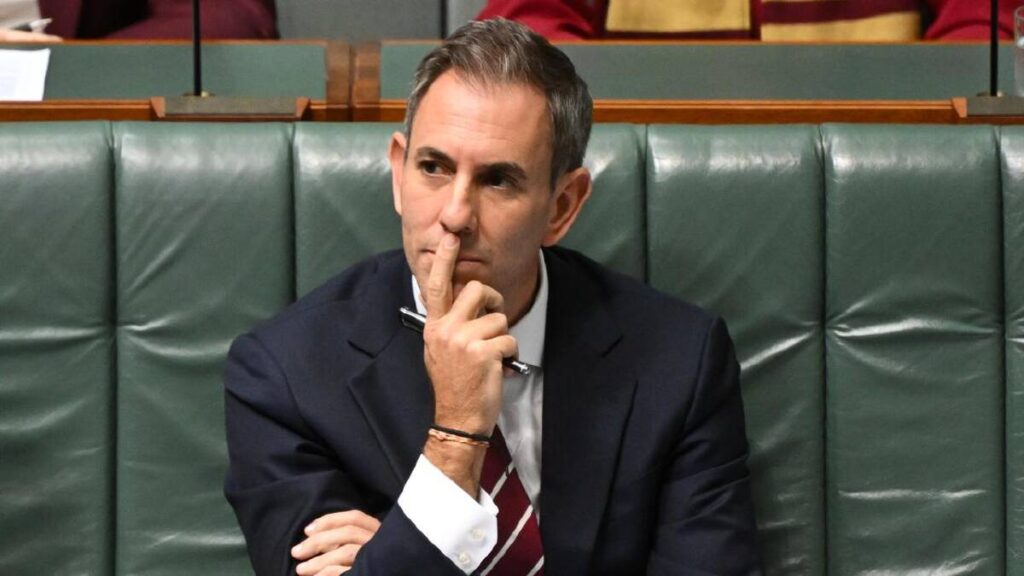
Treasurer Jim Chalmers has wound back a key element of Labor’s proposed minimum tax on family trusts, offering discretionary trusts an exemption if they commit in advance to how income will be distributed.
What’s changing
Under a new draft of the legislation, discretionary trusts will be able to avoid the proposed 30% minimum tax rate by electing to make fixed distributions to beneficiaries nominated in advance. This is a meaningful shift from earlier versions of the reform, which risked forcing many discretionary trusts to restructure as fixed trusts to escape the higher rate — a change that could have triggered state and territory stamp duty bills in the process.
The concession is the third adjustment Chalmers has made to the trust tax package since it was first announced, following sustained pushback from small business groups, advisers, and industry bodies.
Why the government targeted trusts in the first place
Discretionary trusts are widely used by Australian families and small businesses to manage how income is distributed among beneficiaries, often directing it to those on lower marginal tax rates. Treasury research cited in the debate found that families using discretionary trusts pay tax rates roughly four percentage points lower, on average, than comparable households — the gap Labor’s minimum tax was designed to close.
At the same time, trusts serve genuine, non-tax purposes that go well beyond rate shopping: succession and estate planning, asset protection, and smoothing out the tax impact of variable business income from year to year. Much of the criticism of the original proposal centred on the fact that it didn’t distinguish between these legitimate uses and more aggressive income-splitting arrangements.
What it means for small businesses and families
The exemption pathway gives trustees a genuine choice rather than a one-size-fits-all rate. A discretionary trust that’s comfortable nominating its beneficiaries and distribution pattern in advance can retain its existing structure and sidestep both the 30% minimum tax and the restructuring costs — including stamp duty — that a forced conversion to a fixed trust would have involved.
That said, “fixed in advance” is a real trade-off. Trusts that value the flexibility to vary distributions year to year — for example, to respond to a beneficiary’s changing circumstances or a volatile trading year — will need to weigh whether locking in a distribution pattern is worth the tax saving, or whether it makes more sense to simply accept the minimum tax treatment.
Small businesses and families using (or considering) a discretionary trust structure should treat this as a timely prompt to revisit their trust deed, distribution history, and succession plans before the legislation is finalised.
Where things stand
This remains a draft, and further changes are possible given how many times the package has already been revised. We’re continuing to monitor the legislation as it progresses and will update clients as soon as the final rules are settled.
If you have a discretionary trust and want to understand how this could affect your structure or your next distribution, get in touch with our team — we’re happy to talk through your options.
This article is general information only and does not constitute tax advice. Please contact Flinders Tax Accountants & Business Advisors to discuss how these changes may apply to your specific circumstances.